
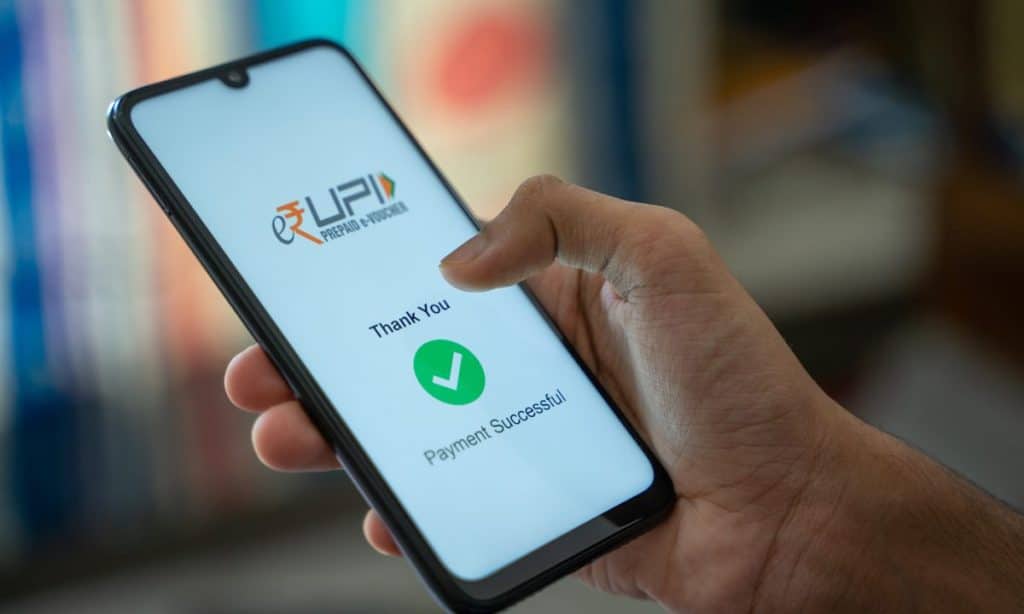

From Cash to Clicks: A Silent Banking Revolution
India’s banking experience has changed more in the last five years than it did in the previous five decades. Standing in long queues, filling deposit slips, or waiting days for money transfers is rapidly becoming a thing of the past. In 2025, payments in India are instant, digital, and deeply embedded in daily life — whether it’s buying vegetables, paying EMIs, or settling interbank transactions worth crores.
This shift is not accidental. It is the result of careful regulation by the Reserve Bank of India (RBI), strong digital infrastructure, and massive public adoption of digital payment systems.
Why Payment Systems Matter More Than Ever
A payment system is not just about moving money — it reflects the health, efficiency, and trust in a country’s financial ecosystem.
In India, modern payment systems have helped:
- Improve financial inclusion
- Reduce dependency on cash
- Lower transaction costs
- Enable real-time commerce
- Strengthen transparency and compliance
Today, digital payments account for nearly all non-cash transactions in the country.
UPI: More Than a Payment App
The Unified Payments Interface (UPI) has become the default payment method for Indians. What started as a simple bank-to-bank transfer system is now a complete payment ecosystem.
Why UPI works so well:
- Works 24×7, including holidays
- Requires only a mobile number or QR code
- Zero or minimal cost for users
- Widely accepted from street vendors to large businesses
In 2025, UPI is no longer just about convenience — it is a critical economic utility powering small businesses, gig workers, and digital-first consumers.
RTGS, NEFT & IMPS: The Backbone Behind the Scenes
While UPI dominates daily retail payments, traditional banking rails continue to play a crucial role.
RTGS (Real Time Gross Settlement)
- Used for high-value transactions
- Operates 24×7
- Crucial for interbank settlements, treasury operations, and large corporates
NEFT
- Preferred for planned transfers
- No upper limit set by RBI
- Commonly used by businesses and individuals for structured payments
IMPS
- Real-time fund transfer with higher limits than UPI
- Often used when transaction urgency and amount both matter
Together, these systems ensure that India’s payment ecosystem is balanced, serving both small consumers and large institutions.
Cards vs UPI: A Changing Consumer Behaviour
Credit cards are growing fast, especially for:
- Online shopping
- Travel and lifestyle spending
- EMI-based purchases
Debit cards, however, are slowly losing transaction share as users prefer UPI for daily payments and ATMs only for cash withdrawals.
This change highlights a key trend:
Payments are moving from “plastic” to “platforms”.
Role of RBI: Regulating Innovation Without Slowing It
One of the biggest strengths of India’s payment success story is regulatory balance.
In recent years, RBI has focused on:
- Customer protection (tokenisation, authentication norms)
- Security of digital transactions
- Expanding digital acceptance in rural and semi-urban areas
- Allowing innovation like credit lines on UPI and offline payments
The creation of the Payments Regulatory Board (PRB) in 2025 further strengthens oversight and long-term policy planning.
Financial Inclusion Through Technology
Payment systems have become a powerful tool for inclusion:
- AePS enables banking using Aadhaar in rural areas
- DBT via NACH ensures subsidies reach beneficiaries directly
- BBPS allows bill payments without visiting offices
- FASTag has reduced toll congestion and fuel wastage
Digital payments are no longer urban-centric — they are nationwide and accessible.
India’s Payments Going Global
India is now exporting its payment expertise:
- UPI is being linked with global fast payment systems
- RuPay cards are gaining international acceptance
- Cross-border remittance costs are reducing
This positions India not just as a user, but as a global leader in digital payments infrastructure.
What This Means for Bank Customers
For everyday bank customers, this evolution means:
- Faster transactions
- Lower costs
- More control through mobile apps
- Better transparency
- Reduced dependence on physical branches
Banking is becoming less about places and more about platforms.
Conclusion: Payments Are the New Face of Banking
In 2025, payment systems are no longer a backend function of banks — they are the front face of customer experience. India’s journey from cash-heavy transactions to one of the world’s most advanced digital payment ecosystems is a testament to thoughtful regulation, technology adoption, and public trust.
As payment systems continue to evolve, one thing is clear:
The future of banking in India will be decided by how seamlessly money moves.