
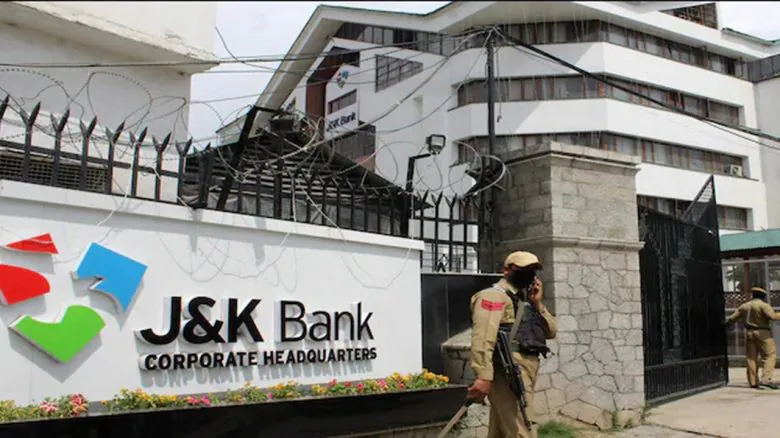

The Reserve Bank of India (RBI) has once again tightened its regulatory grip by imposing a total monetary penalty of ₹1.11 crore on Jammu & Kashmir Bank, two NBFCs, and one housing finance company (HFC). The action follows several compliance failures identified during RBI’s inspections.
This article breaks down the penalties, the violations, and what these developments mean for customers and the financial sector.
Who Has Been Penalised?
RBI’s latest enforcement action covers four financial institutions, with J&K Bank facing the highest penalty.
1. J&K Bank – Penalty: ₹99.30 lakh
RBI found multiple breaches related to customer service, grievance handling, KYC verification, and unclaimed deposit management. Key issues included:
- Failure to escalate rejected or partly accepted complaints to the Internal Ombudsman
- Not sending final communication letters to customers after complaint resolution
- Delays in transferring eligible unclaimed deposits to the Depositor Education and Awareness (DEA) Fund
- Gaps in the Video Customer Identification Process (V-CIP), including lack of face-matching tools
- Inadequate verification of customers’ economic and financial profiles
2. Bansal Credits Ltd (NBFC) – Penalty: ₹6.20 lakh
RBI penalised the company for:
- Weak systems for monitoring or reporting suspicious transactions
- Not uploading customer KYC records to the CKYC registry
3. Keertana Finserv Ltd (NBFC) – Penalty: ₹3.10 lakh
The NBFC violated governance norms by:
- Appointing a director and altering management structure without seeking RBI’s prior written approval
4. Truhome Finance Ltd (HFC) – Penalty: ₹3.10 lakh
The HFC was fined for:
- Not collecting PAN/Form 60 for certain loan accounts
- Violating mandatory KYC requirements
Why Did RBI Take This Action?
Strengthening Customer Protection
Many of the violations directly affect customers—for example, improper grievance escalation, lack of communication, and weak identity verification.
These failures can:
- Lead to unresolved disputes
- Increase fraud risks
- Impact customer trust in the financial system
Ensuring Strong Governance & Compliance
RBI’s action sends a clear reminder: compliance is non-negotiable.
Whether it’s a large bank or a small NBFC, every financial institution must:
- Maintain robust KYC procedures
- Follow grievance redressal guidelines
- Seek regulatory approval for management changes
- Monitor suspicious activities
Does This Penalty Affect Customers’ Accounts or Loans?
No.
RBI has explicitly clarified that penalties relate only to regulatory non-compliance and do not affect the validity of any customer transactions, loans, deposits, or contracts.
What Should Customers Do?
1. Keep Track of Complaint Status
If you raise a complaint, ensure you receive:
- A final communication letter
- Information about escalation options
2. Monitor Your KYC Updates
Confirm that your financial institution has:
- Uploaded your details to CKYC
- Verified your identity properly, especially during digital onboarding
3. Review Dormant Accounts
Unclaimed balances must be transferred to the DEA Fund. Check your old or inactive accounts regularly.
Impact on the Financial Industry
RBI’s penalty is a reminder that regulatory oversight is becoming stricter.
Institutions with weak compliance frameworks may face:
- Financial penalties
- Reputational damage
- Increased scrutiny in future inspections
This action encourages better governance, customer transparency, and enhanced risk management across the fintech and banking ecosystem.
Final Thoughts
The RBI’s ₹1.11 crore penalty highlights the importance of following regulations, maintaining customer-centric practices, and ensuring strong internal controls. As digital banking grows, compliance lapses—especially in KYC, grievance redressal, and governance—carry serious consequences.
For customers, staying vigilant and informed is essential. For financial institutions, this enforcement action serves as yet another wake-up call: compliance is not optional—it’s fundamental.