
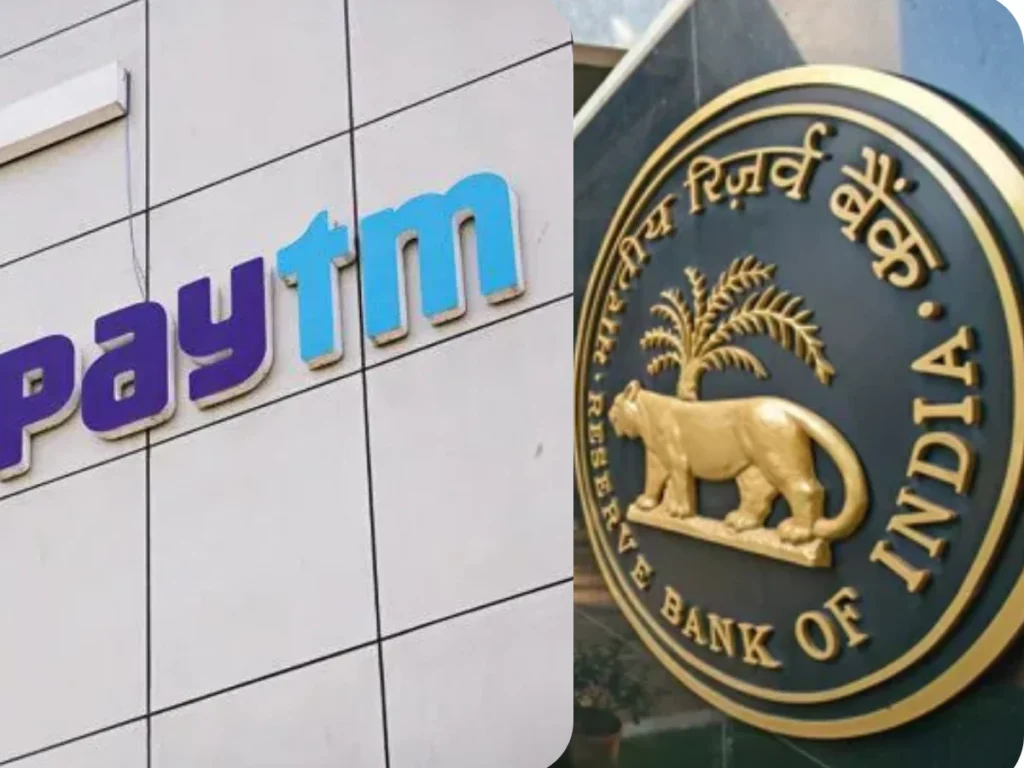

India’s digital payments landscape just witnessed a major regulatory development. Paytm Payments Services Limited (PPSL)—a subsidiary of One97 Communications—has finally received the Reserve Bank of India (RBI)’s Certificate of Authorization to operate as a Payment Aggregator (PA).
This approval, confirmed through Paytm’s stock exchange filing on November 26, opens a new chapter for the fintech giant, especially after facing regulatory roadblocks over the past two years.
Why This Approval Matters
RBI’s Payment Aggregator license is one of the most important regulatory clearances for any fintech offering digital transaction services. With this license, Paytm can:
- Onboard new online merchants
- Expand its payment processing capabilities
- Increase transaction volumes
- Strengthen revenue streams
- Scale its fintech operations with full compliance
For Paytm, which has faced intense scrutiny from the RBI lately, this license brings much-needed stability and regulatory clarity.
What Is a Payment Aggregator and Why Is It Important?
A Payment Aggregator is a regulated entity that enables merchants to accept digital payments without needing to create their own direct integration with banks.
In simple terms, Paytm can now:
- Collect payments on behalf of merchants
- Handle funds settlement
- Offer multi-payment options like UPI, cards, net banking, and wallets
- Provide secure, compliant checkout experiences
This strengthens India’s digital commerce ecosystem, especially for MSMEs and online sellers.
What This Means for Merchants Using Paytm
With the PA license restored:
1. New Merchant Onboarding Resumes
Businesses that were earlier restricted can now seamlessly register for Paytm payment solutions.
2. Faster Settlements & Better Reliability
RBI-compliant infrastructure improves trust among merchants.
3. Stronger Competition in the Payments Market
Paytm can now compete directly with players like Razorpay, Cashfree Payments, Stripe, and PhonePe.
4. More Services & Higher Transaction Limits
Paytm may roll out new features such as advanced checkout APIs, subscription billing, and multi-channel payment solutions.
Financial Snapshot: Paytm’s Recent Performance
Even as Paytm secured regulatory approval, its financial performance paints a mixed picture.
📈 Revenue Growth
Paytm’s revenue from operations rose to ₹2,061 crore in Q2 FY26, compared to ₹1,659 crore in Q2 FY25, showing strong growth in payments and financial services.
📉 Profit Decline
Despite the top-line rise, net profit dropped 98% YoY—
from ₹930 crore (Q2 FY25) to just ₹21 crore (Q2 FY26).
This sharp fall was due to:
- Absence of a one-time gain that inflated last year’s profits
- Impairment loss recorded in the current quarter
- Higher compliance costs amid regulatory scrutiny
Conclusion
Paytm’s RBI-approved Payment Aggregator license is more than just a regulatory clearance—it’s a strategic lifeline.
It restores merchant trust, unlocks new growth opportunities, and signals stronger cooperation between fintechs and India’s central bank.
For India’s digital payments ecosystem, this is a win-win moment, reinforcing innovation with compliance.