
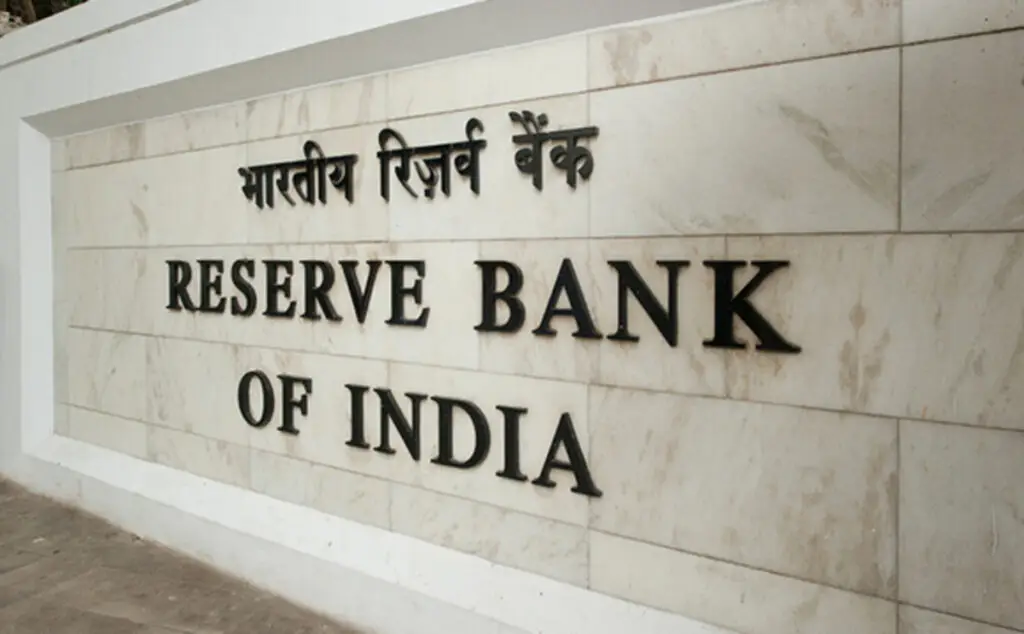

The Reserve Bank of India (RBI) has taken a strong stance against regulatory non-compliance by penalizing several financial institutions. On May 9, 2025, penalties were imposed on four co-operative banks and one non-banking financial company (NBFC) across Karnataka and Kerala. These actions highlight the ongoing challenges in regulatory adherence within India’s financial landscape.
In this post, we’ll break down the cases and discuss what these penalties mean for India’s financial institutions.
Penalty on Swarna Bharathi Sahakara Bank: Delayed Financial Reporting
Penalty: ₹50,000
Location: Bangalore, Karnataka
The RBI fined Swarna Bharathi Sahakara Bank for failing to submit its annual financial statements and auditor’s report for FY 2023-24 on time. This violation is in breach of Section 31 read with Section 56 of the Banking Regulation Act, 1949.
Key Insight:
Timely financial reporting is essential to maintain transparency and build trust with customers and stakeholders. Delayed submissions can hinder a bank’s ability to function smoothly and raise doubts about its internal governance.
Shimoga Co-operative Bank Fined for Lending to Directors
Penalty: ₹1,00,000
Location: Shimoga, Karnataka
The Shimoga District Co-operative Central Bank Ltd. was penalized after an inspection by NABARD revealed that the bank had sanctioned loans to its own directors, which is a direct violation of Section 20 read with Section 56 of the Banking Regulation Act.
Why It Matters:
Loans to directors are strictly prohibited to avoid any potential misuse of authority or conflicts of interest. This practice compromises the integrity of financial institutions and undermines public trust.
Mangalore Co-operative Town Bank Faces Similar Lending Violation
Penalty: ₹1,00,000
Location: Mangalore, Karnataka
Following a similar pattern, Mangalore Co-operative Town Bank was penalized for extending loans to directors and their associated firms. This practice breaches RBI guidelines and points to deeper concerns about internal controls within co-operative banks.
What We Learned:
It’s crucial that financial institutions have robust internal controls to ensure compliance with regulations. Failure to do so can lead to legal and reputational damage.
Karnataka Central Co-operative Bank: Largest Penalty
Penalty: ₹2,00,000
Location: Dharwad, Karnataka
The Karnataka Central Co-operative Bank faced the heaviest fine in this round of penalties. NABARD’s inspection found that the bank had sanctioned loans to its directors, violating Section 20 read with Section 56 of the Banking Regulation Act.
Takeaway:
The recurring nature of these violations across different co-operative banks suggests an urgent need for enhanced governance training and stricter oversight to ensure regulatory compliance.
Grewal Brothers Finance Company (NBFC) Penalized for Management Changes Without Approval
Penalty: ₹50,000
Location: Kerala
In contrast to the co-operative banks, Grewal Brothers Finance Company, an NBFC, was penalized for changing more than 30% of its directors without seeking the necessary prior approval from the RBI. This breach of the RBI’s scale-based regulatory framework for NBFCs compromises institutional stability and can impact stakeholder confidence.
What Went Wrong:
RBI approval is mandatory for significant changes in management to ensure that the institution continues to function smoothly and in line with regulatory expectations.
What Do These Penalties Mean for India’s Financial Sector?
These penalties underscore the RBI’s zero-tolerance approach to non-compliance. While the fines may seem small, the reputational damage and regulatory scrutiny that follow can be far more costly in the long run.
Key Message for Financial Institutions:
Whether you are a co-operative bank, an NBFC, or a commercial bank, maintaining strict adherence to RBI guidelines is critical. Institutions must prioritize governance, compliance, and timely reporting to avoid penalties and other legal consequences.
Final Thoughts: A Wake-Up Call for Financial Institutions
These penalties serve as a strong reminder to all financial institutions to stay vigilant and proactive in adhering to RBI regulations. It’s not just about avoiding fines but about maintaining the trust and confidence of the public, customers, and stakeholders.
🔍 Stay informed, stay compliant, and continue to follow BanksConnect.in for the latest updates in banking regulations and compliance news.