
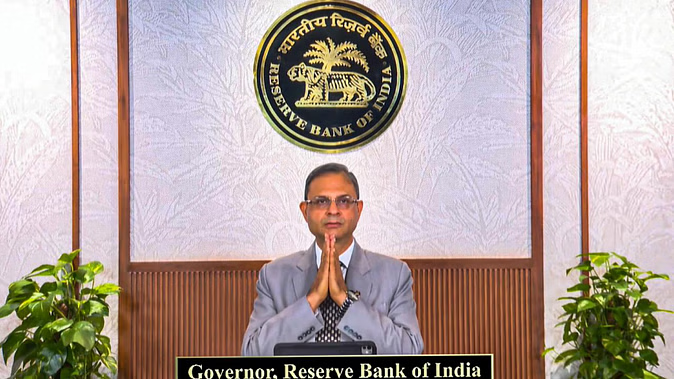

In a major announcement, the Reserve Bank of India (RBI) has decided to reduce the repo rate by 0.5% to 5.5% during its Monetary Policy Committee (MPC) meeting held from June 4 to 6, 2025. While this move aims to support India’s economic recovery, it brings important changes for Fixed Deposit (FD) investors.
What Does This Repo Rate Cut Mean for Fixed Deposit Rates?
When the RBI changes the repo rate, it directly impacts bank interest rates, including FD rates. And since the repo rate has been slashed, we can expect FD rates to go lower in the coming months. In fact, since February 2025, FD interest rates have already fallen by up to 0.7%, and this latest decision means the trend could continue.
Why Should FD Investors Pay Attention?
For many people, Fixed Deposits are a go-to investment option because they’re safe and offer predictable returns. However, with FD rates declining, the interest earned on new FDs will be lower. This could affect you if you’ve been planning to invest in an FD or recently renewed one.
How Should FD Investors Respond to This?
So, what should you do now if you’re an FD investor worried about falling interest rates? Here are a few simple strategies to consider:
1. Lock in the Current Rates Before They Fall Further
If you’re planning to invest in a fixed deposit, now might be the best time to lock in a higher rate. Long-term FDs will allow you to secure the current rates for the entire tenure, protecting your returns from future rate cuts.
2. Diversify Your Investments
If you’ve been relying solely on FDs for income, it might be time to explore other investment options like mutual funds, bonds, or stocks. These can offer higher returns, especially in times when interest rates are low. Diversifying helps you manage risks and get better returns on your investment.
3. Go for Short-Term FDs
Not ready to take the risk of locking in your money for a long term? Consider short-term FDs. These allow you to reinvest at possibly better rates in the near future as the market adjusts to new conditions. Plus, it gives you the flexibility to adapt if rates rise again.
What Does the Rate Cut Mean for India’s Economy?
While the RBI’s decision to cut the repo rate will affect FD returns, it’s aimed at supporting the Indian economy. Lower interest rates encourage borrowing and spending, which can stimulate growth. Even with the global uncertainties, India’s economy is staying resilient, and the RBI hopes this move will help keep things on track.
What’s Next for RBI’s Monetary Policy?
Looking ahead, the RBI has decided to keep its policy stance neutral, meaning they will take a balanced approach and not actively push for more rate cuts. They’ll continue to assess economic data and make adjustments when necessary. However, with limited room left for further rate cuts, the next few months will be crucial for investors to make decisions.
Final Thoughts: Navigating the Changing Financial Landscape
The RBI’s decision to cut the repo rate is an important development that all FD investors should take note of. While this may lead to lower returns on new FDs, it’s not the end of the road. By taking proactive steps like locking in rates, diversifying your investments, and considering short-term FDs, you can still make the most of your money in this changing economic environment.
Stay informed, and make decisions that suit your long-term financial goals!